A few years ago, I was introduced to “Discrepant Event Inquiry” from Glenn Wiebe. (Here is another post about it from his History Tech blog). The idea is that you take an image and only reveal a little bit at a time. As I reveal a little bit of the picture, the students must guess Who is in the picture, What is happening, When was the photograph taken, and Where is this taking place. This encourages students to think outside the box and it also does WONDERS with questioning and how to ask the right questions. Naturally, I turned this into a competition. Continue reading How I use “Discrepant Event Inquiry” in my classroom
Category Archives: lesson plans
When One of Your Heroes is a Bad Person…
I must confess that as a history junkie I consistently became a “fan” of some of the historical figures that I have studied. While not a professional historian, I realize that this can be a no-no when you get into the research of one of these individuals. As has happened many a time, I was heartbroken the more I found out about these individual’s unsavory habits: William T. Sherman thoughts on the African-American, Churchill’s drinking more than what should have been humanly possible, LBJ’s “locker-room” behavior.

All of these things brought the startling reality of these humans being in reality, humans. While still disappointed in the behavior of historical heroes, it added a depth of complexity and dare I say aesthetic pleasure to my historical study than I have ever enjoyed before. In the remainder of this point, I want to share an activity with you that may paint a picture you did not know about Albert Einstein. Continue reading When One of Your Heroes is a Bad Person…
Opportunities
Colleagues in social studies,
Just want to offer a few things for you to peruse for opportunities for growth and development. The opportunities include information about the Kansas Social Studies Conference, a class on East Asia, and a training session on Dual Encoding – using maps while teaching history.
13 Colonies Narrative Chain
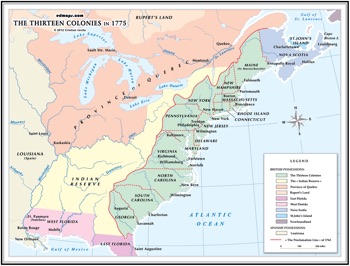 Brain research shows that neurons that fire together wire together. When teaching concepts we want students to remember, it’s important to give them different ways to store those concepts in their long term memory. By using a narrative chain, my students are saying, seeing, and doing the information I want them to remember.
But what does that look like?
Why study history? A 3rd day of school lesson….
Blogs this time of the year are full of wonderful ideas for the first day of school. I would like to share with you a lesson that I do on the 3rd or 4th day of school after all procedural things are taken care of.
I start off by brainstorming with the kids – asking the question “What don’t you like about history?” We write their answers on a flip chart.
Then I show them this awesome YouTube video by jhayesteach. It highlights a small little speck of the amazingly cool things about history! Continue reading Why study history? A 3rd day of school lesson….

