 We all love the Stanford History Education Group. What’s not to like? You get incredible lessons aligned to the NCSS C3 standards. And for us Kansas folks, they aligned perfectly to our state standards. They great for training kids to use evidence, think historically, and develop arguments with evidence.
You get powerful assessments that they call HATs – historical assessments of thinking. Short and sweet, easy to use, summative and formative assessments that help you measure a student’s ability to use evidence, think historically, and develop arguments with evidence.
Yup. The two go hand in glove. Tools for teaching and tools for assessing social studies process skills.
And if you’re not using these two free tools . . . might I suggest you head over and take a look? Cause your brain is about to be blown. Seriously. This is a non-negotiable tool that every history teacher should be using. Cause even if you don’t use their lessons, they’re great as models for your own lessons. (And be sure to steal all of their modified primary sources.)
So we’ve got super awesome lessons, assessments, lesson support all coordinated by Sam Wineburg – historical thinking guru and all around history teaching genius.
But SHEG just got better.
Yup. Better.
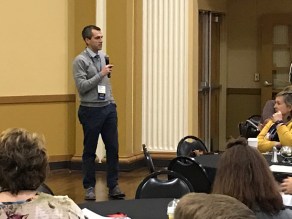
Dr. Joel Breakstone, SHEG director, shared the keynote at the 2018 Kansas Social Studies conference this morning. He’s also presenting a couple of breakout sessions.
But this morning, he shared about how SHEG just got better.
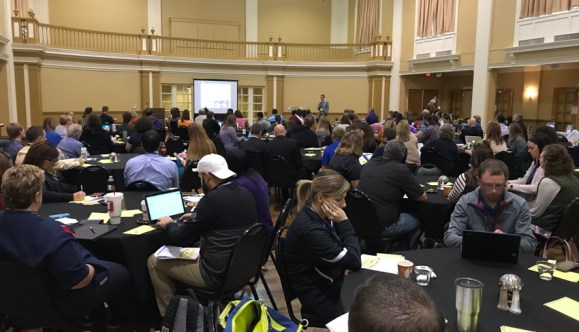
Continue reading Joel Breakstone & his SHEG civic reasoning tools just rocked #kssscon2018
 This week’s contributor is Julie Bergene: Julie Bergene is the public education coordinator at the Dole Institute of Politics in Lawrence. She leads K-12 and family education programs, including on-site, outreach, and online initiatives. Previously, she was an educator at natural history museums and holds a teaching license for secondary biology.
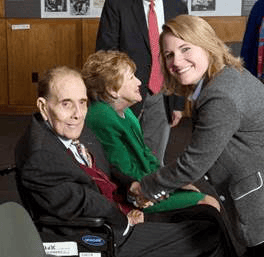 Want more access to great primary sources? Seeking to engage your students with voting and debates especially in this election season? Itching to try a new digital breakout game? If you answered yes to any of those questions, you need to attend the session “Get out the vote – historically speaking,” next Monday at 1 pm at the Kansas State Social Studies conference.
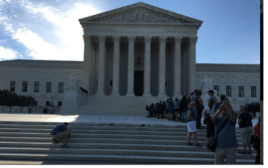 This week’s post comes from Dr. Robyn Kelso. Robyn teaches senior American Government, American National Government, and International Relations at Eudora High School in Eudora, KS. Robyn enjoys learning across social studies and am curious about the world as a whole. Robyn also enjoys reading and working on her hobby cattle farm.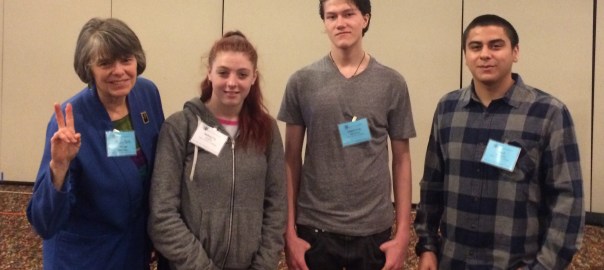
 The events of March 14
