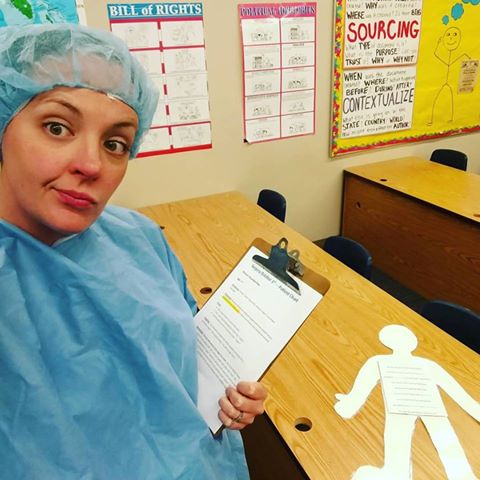
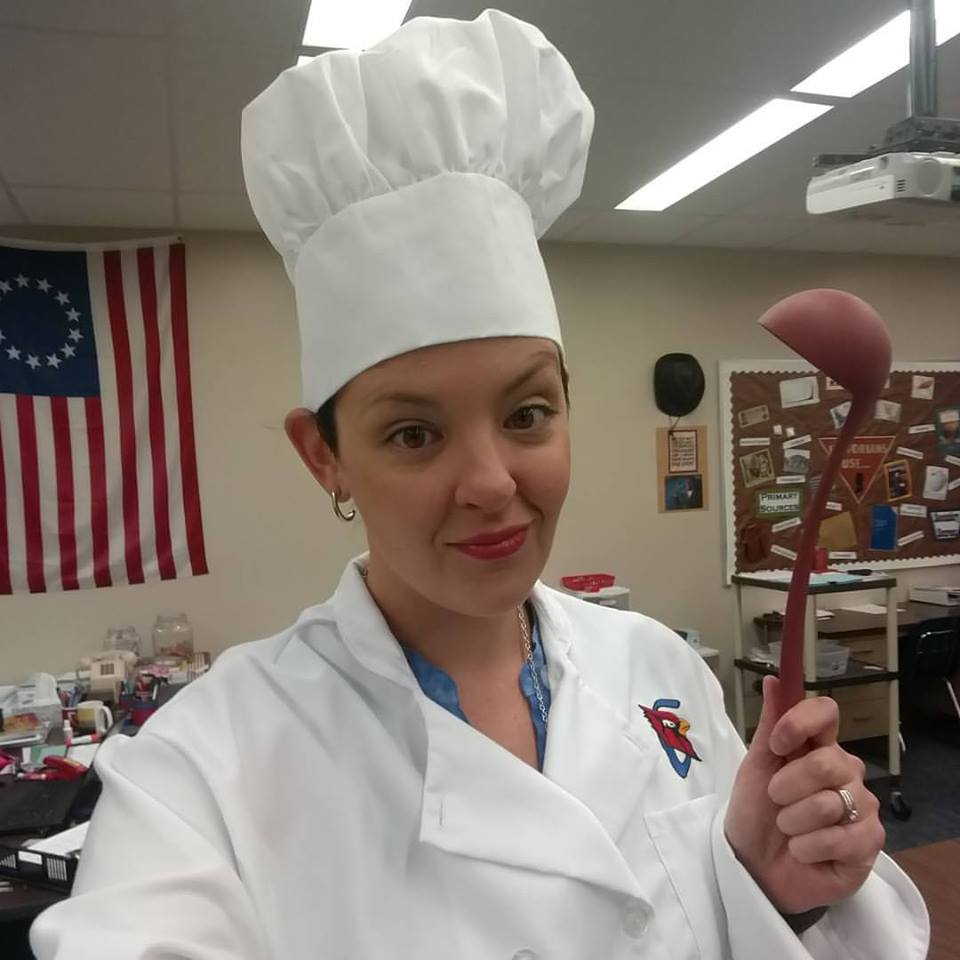
I have been known to walk down the hallways of my school in scrubs, surgical hat, and gloves.
Continue reading Dressing it up. Cause we’re always advertising
I have been known to walk down the hallways of my school in scrubs, surgical hat, and gloves.
Continue reading Dressing it up. Cause we’re always advertising

I was browsing through some old History Tech posts and ran across this 2016 entry. It caught my attention as several of us were chatting about ways to encourage student to student conversations. If you’ve been thinking about that issue as well, you might give the Last Word strategy a try.
I spent some some last week with a group sharing strategies around the blended learning concept. It was compelling conversation, I walked away smarter, and had the chance to meet some interesting people.
But one of my biggest walkaways was a strategy that the forum’s facilitator used to jumpstart the discussion.
He called it the Last Word. Others in the group used the term Final Word. No matter what it might be called, I thought it was a perfect fit for strengthen the speaking and listening skills of social studies students. So if you’ve used Last Word, post some comments on changes you’ve made or things you like about it.
New to Last Word? Read on, my friend. Continue reading Save the Last Word for Me discussion strategy
It’s been that kind of school year for all of us, so here’s a great post on writing from last October by KCSS board member Adam Topliff. Happy parent-teacher conference season everyone!
Students + writing = frustration . . . sound like familiar?
The growing expectation of integrating writing in our Social Studies classroom makes us as anxious about the process as our students. Why does this happen? There are a variety of factors that contribute to this fear and frustration but the most common that I hear from other teachers is
I don’t have a solid system to assist my kids with writing.
We teach a topic and then assess students by asking them to write a response or reaction. What do we get back?
View original post 596 more words
Most of you are already familiar with the idea of document analysis worksheets. These sorts of tools are perfect for scaffolding historical thinking skills for your kids. Some of the best, created by the Library of Congress and the National Archives, have been around for years. I also really like the stuff created by the Stanford History Education group, especially their Historical Thinking Chart.
We should be using all of those evidence analysis tools with our kids. They can be especially helpful for training elementary and middle school students to gather and organize evidence while solving authentic problems. And for high school kids without a strong background in historical thinking skills, the tools provided by the LOC, NARA, and SHEG are incredibly handy to help guide their thinking.
But what about other types of graphic organizers? Are there some organizers you should be using but aren’t? Spoiler alert. Yes.
Before we jump into the fabulous five, a quick graphic organizer 101 review.
Brain research tells us that mental images are powerful tools that support cognitive tasks and that by creating unique mental pictures, our students deepen their understanding, attach new information to prior knowledge, and create new learning. Graphic organizers are “visual and spatial displays that arrange information graphically so that key concepts and the relationships among the concepts are displayed” (Gunter, Estes, and Mintz 2007).
They can present information textually, with images or symbols, or a combination of both. Graphic organizers give kids a clear strategy to gather, process, organize, and prioritize information. All things that are encouraged by Common Core lit standards, the NCSS national standards, and the Kansas social studies document.
Okay . . . what five graphic organizers should all social studies teachers be using but probably aren’t? Continue reading 5 graphic organizers you’re probably not using but should be
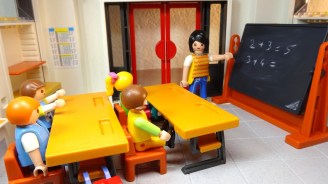
Whew! Kansas teachers have just about the first month of school under our belts. Heck, Homecoming is this weekend here in El Dorado. You may finally have the feeling that your feet are on solid ground, having made it through all the new faces, rosters, seating charts, data sorting, lesson planning, meet the teacher nights, etc. Of course, now we’re into our first big assignments to be graded, parent-teacher conferences are just around the corner and if you’re also coaching your away games mean at least one night a week is taken over by bus rides, encouragement and fast food. Now try to remember what it was like figuring it all out for the first time. Wow.
![]()
We know that schools in Kansas haven’t exactly flourished in the past few years and that has really effected teachers. The Wichita NBC affiliate KSN ran a story that Kansas is down 1500 teachers for this school year. Is anyone surprised that our young people aren’t flocking to the profession? So I’m asking that if there are any new teachers in your building, please check in with them, even if they’re not a fellow social studies instructor (we’ll forgive them this once). Ask them if they need anything – help them navigate the teacher’s lounge, or share the trick about fixing a jam in the copier. Let them know there’s a lifeguard on duty in case they start to feel like they’re drowning.
We need to encourage and support our new colleagues so we don’t lose them; lock them in before they figure out there are actually jobs that end at 5:00 and have weekends off. In addition to personal outreach, there are a lot of good resources out there for new teachers to tap: Edutopia has a Toolkit for New Teachers, the National Education Association has a good selection of articles for new teachers on many of the issues that don’t necessarily get covered in university programs. Parent-teacher conferences are just around the corner and ASCD has a good set of guidelines to get them started.
There are also a wealth of networks new teachers can join that are on-going. You might have caught my post back in March on #sschat. They’ve seen the need and created the new hashtag #NTsschat just for New Teachers (NTs). The National Council for the Social Studies also has their Twitter account @NCSSNetwork and Facebook page and the Technology Community has the handle @TechNCSS.
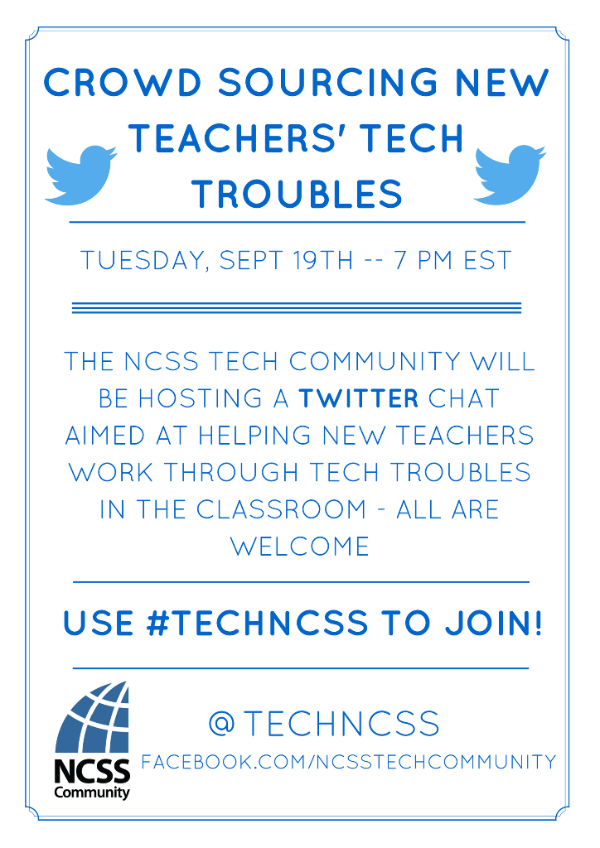
In fact, @TechNCSS will be hosting a Twitter Chat of their own tomorrow (Tuesday, September 19) just for the problems faced by new teachers. Please encourage your new teachers to join us (once again, even if they’re not social studies, maybe learning about Twitter Chats will help them to find their way to one in their curriculum). You can feel free to join us if you want to help answer their questions or you’ve been interested in checking one out. This is one that will have a lot of basics if you want to lurk and pick up some new resources.