Category Archives: strategies

Kansas Social Studies conference is gonna be awesome

kche kcss logosFor some of you, this post may not be that relevant. You don’t live close to Kansas. Or maybe you’re not a social studies teacher. But if you live in Kansas, or close to Kansas, or don’t mind making a trip to Kansas and you’re a social studies teacher, have I got a deal for you.

For the last two years, the Kansas Department of Education, the Kansas Council for History Education, and the Kansas Council for the Social Studies has co-hosted a one day conference focused on best practices and instructional resources. It’s always a great time. You make new friends. You meet old friends. You eat great food. You walk away with door prizes. And you always learn a ton.

The Kansas Geographic Alliance, the Kansas Council for Economic Education, and the Kansas Historical Society all show up as well. Basically, if you have a question about social studies, this conference is the place to be. And it really is for anyone who wants to be a part of an awesome learning opportunity.

This school year, the conference is scheduled for

Continue reading Kansas Social Studies conference is gonna be awesome →
Trans-Atlantic Slave Trade Database

slavery databaseHaving students internalize historical events is a task I try to achieve in my high school Geography and World History classrooms almost every lesson. This is a difficult mission, but it does not prevent me from asking myself, “How can I make this topic personal for students?”

This is the same question I pondered when developing lessons about the Trans-Atlantic Slave Trade. Yes, students arrive to me with prior knowledge about the subject, but their familiarity with the topic is only surface-deep. I have learned that investigating history from the bottom-up has made my students more attuned into the field of history.

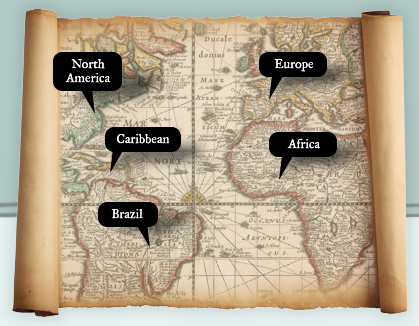
Therefore, the Trans-Atlantic Slave Trade Database has made the grassroots of this theme come alive in my classroom. The immense about of information compiled in this database is astounding and truly makes my students appreciate the subject. There are maps that illustrate where the 12.5 million slaves were embarked and disembarked, but what catches my students’ interest the most is the “African Names Database”, which houses 91,491 names of Africans who were enslaved. Not only are their names provided, but also their age, height, sex, name of the ship they were transported on, and where they were embarked/disembarked.

By clicking on the “Voyage ID” for each African listed, you can even see more information about the ship, such as its tonnage and the name of the captain! This is a treasure-trove of information that makes the Trans-Atlantic Slave Trade relevant to students.

The site even offers lesson-plans for teachers, who may want to know how to incorporate this information into the classroom effectively. The slave-trade may have ended over a century ago, but this database helps students realize the significance of this event.

100 map and visuals that jump-start discussion

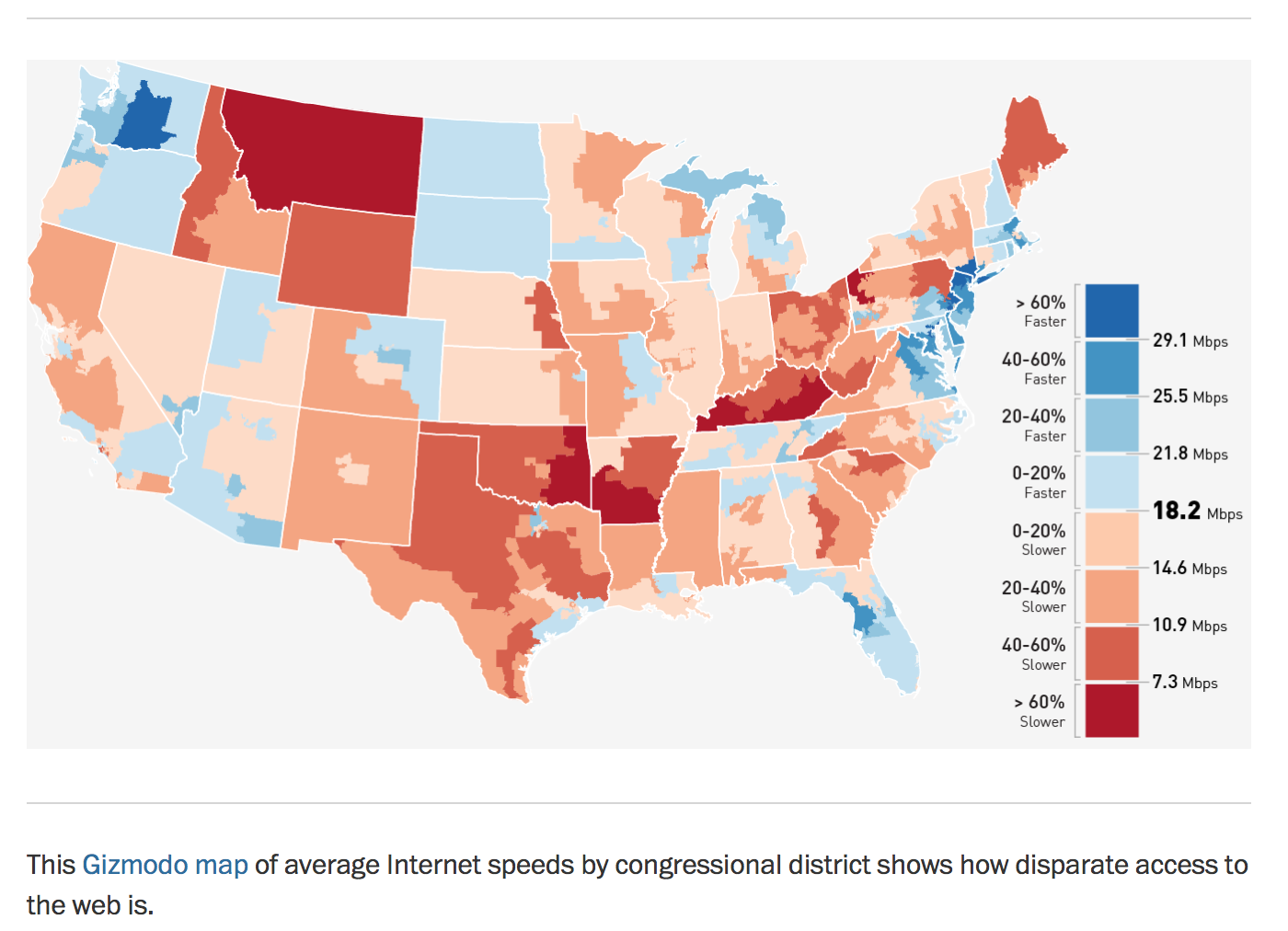
It’s no secret. I love maps. I’m pretty sure maps love me. Big. Small. Old. New. digital divide

Treasure.

I love ’em all.

And the cool thing about the InterWebs is that someone is always making new maps that I can fall in love with. Recently it’s been the Washington Post.

We’re all visual people and the brain loves to look at stuff. So all of the maps and charts listed below would work great as writing prompts, hook activities to introduce units and lessons, resources for research, basic geography skills, part of PBL projects, or to simply act as a sweet way to jump-start a current events discussion.

But I’m also sure that you’ll come up with all sorts of things that I haven’t thought about. (Don’t forget to use the links associated with each map to help your kids explore deeper.)

Here we go: Continue reading 100 map and visuals that jump-start discussion →

Edudemic, handy teacher guides, and how-tos

Okay. I’m a bit off task but does the lack of an apostrophe in “how-tos” bug anyone else? Pretty sure this is correct but it sure looks weird. Especially when my built-in spell checker is telling me it’s wrong.

Anyway . . . where were we?loc edudemic

Handy teacher guides and how-tos.

Edudemic is not a social studies site but it is a very sweet place to catch up on your tech integration knowledge. The tagline says it all: Continue reading Edudemic, handy teacher guides, and how-tos →

7 triggers that guarantee student engagement

fascinate1Okay . . . guarantee is a strong word.

Encourage might be better, maybe stimulate. Jump start?

But it doesn’t really matter what word we decide on.

I think using some of the ideas that Sally Hogshead pushes can help increase the chances for grabbing and keeping the attention of our kids.

Sally wrote a book called Fascinate: Your 7 Triggers to Persuasion and Captivation that came out several years ago. What she talks about in the book are the powerful strategies that are used to influence thinking and decision making. Fascinate is targeted at marketers and ad folks but the ideas seem to be exactly what stressed-out teachers are looking for.

Economists have always said that to get people to do something, you have to provide incentives.

So . . . imagine a middle school teacher trying to elicit engagement and excitement about the Compromise of 1850 with 13 year-olds. What to do? Sally has some suggestions . . . seven to be exact. She calls them triggers. A trigger is “a deeply-rooted means of arousing intense interest.”

Sally says it just a matter of picking, choosing and combining the right triggers and your kids will be eating out of your hand.

So what do these triggers look like? Continue reading 7 triggers that guarantee student engagement →